


19 May RFA for Lumbar Facet Joint Arthritis in Broken Arrow
The RFA procedure for lumbar facet joint arthritis has become one of the most effective minimally invasive options for patients who have spent months, sometimes years, battling stubborn lower back pain that refuses to respond to conventional treatments. If you live in Broken Arrow, OK, and you’ve been told that physical therapy, medications, and steroid injections can only do so much, this advanced treatment may be the turning point you’ve been waiting for. At Pain Management of Oklahoma, we help patients reclaim the freedom to move, work, and live without being held hostage by chronic lumbar pain.
Understanding Lumbar Facet Joint Arthritis
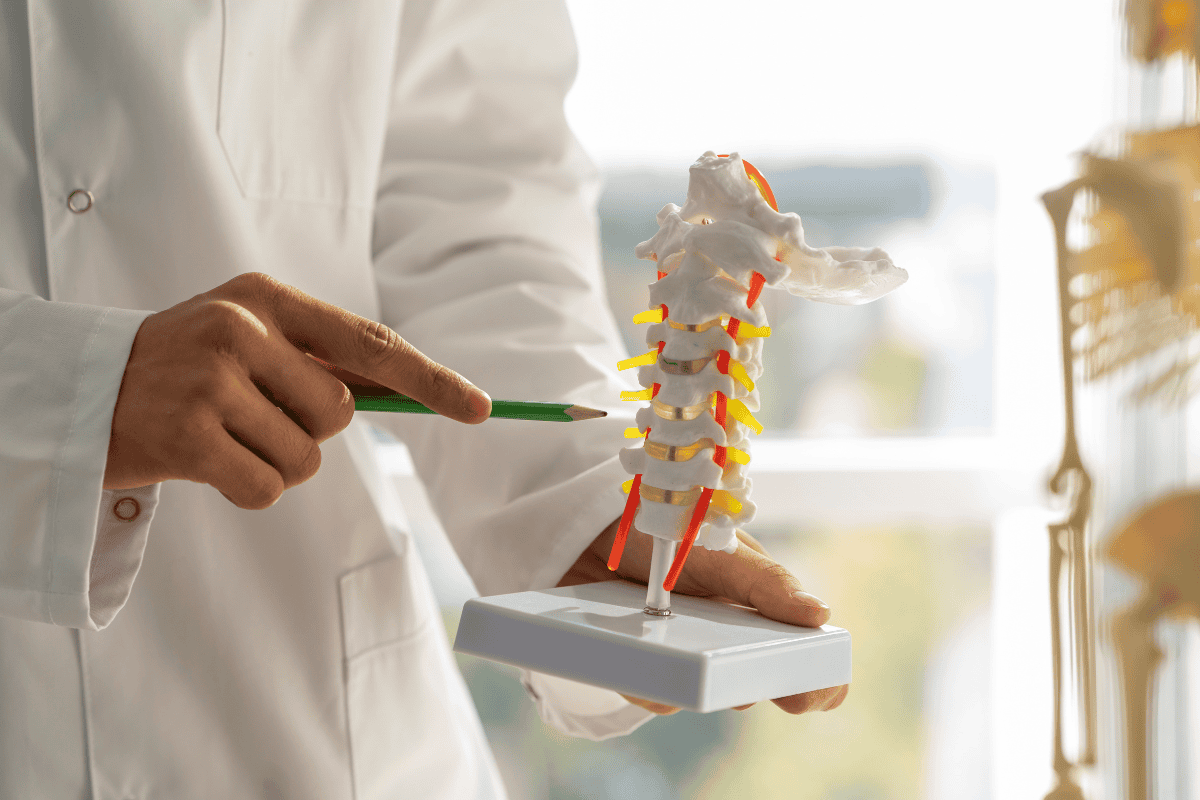
Your spine is a remarkable structure built for flexibility and load-bearing, and at its heart are the facet joints. These small but mighty joints connect each vertebra to the one above and below, allowing your spine to bend, twist, and stabilize. Like any other joint in the body, the facet joints in your lower back are vulnerable to wear and tear over time. When the cartilage that cushions these joints breaks down, bone begins to grind against bone, inflammation sets in, and pain becomes a daily companion.
Lumbar facet joint arthritis often develops gradually, starting as a nagging stiffness in the morning or a dull ache after long periods of sitting. Over time, it can evolve into sharp, radiating pain that limits your ability to stand upright, lift objects, or even enjoy a walk around the neighborhood. Many patients describe feeling like their lower back has aged decades faster than the rest of their body, and the frustration of trying treatment after treatment without lasting results can take an emotional toll just as heavy as the physical one.
What Is the RFA Procedure for Lumbar Facet Joint Arthritis?
Radiofrequency ablation, commonly called RFA, is a minimally invasive procedure that interrupts pain signals traveling from the affected facet joints to the brain. Rather than masking pain with medication or temporarily reducing inflammation with steroid injections, RFA targets the medial branch nerves that transmit the discomfort. By using controlled radiofrequency energy to create a precise heat lesion on these nerves, the procedure essentially quiets the signal, giving the body a much-needed break from chronic pain.
The procedure itself is performed on an outpatient basis, meaning you arrive in the morning and go home the same day. After a small area of skin is numbed, a thin needle is guided into position using fluoroscopic imaging to ensure pinpoint accuracy. Once the correct nerve is located, radiofrequency energy is applied for a brief period to deactivate the pain pathway. Most patients describe the experience as far less intimidating than they expected, and downtime is typically minimal compared to traditional spinal procedures.
Who Is a Good Candidate for RFA?
Not every patient with lower back pain is automatically a candidate for radiofrequency ablation, which is why a thorough evaluation matters so much. Generally, ideal candidates are individuals who have experienced significant relief from diagnostic medial branch blocks but find that the relief does not last long enough to be sustainable. Patients who have tried physical therapy, medications, and other conservative measures without lasting success often find that RFA finally gives them the breakthrough they have been searching for.
Age, overall health, and the specific source of pain all play a role in determining whether the procedure is appropriate. People with active infections, bleeding disorders, or certain implanted medical devices may need alternative approaches. A consultation with a board-certified pain management specialist is the most reliable way to know whether you fit the profile of someone who will benefit from this treatment.
If you are tired of living around your pain instead of through your day, schedule a consultation with Pain Management of Oklahoma today and find out whether RFA could be the answer you have been hoping for.
What to Expect During Recovery
Recovery from radiofrequency ablation is remarkably manageable for most patients. Some experience mild soreness at the injection site for a few days, similar to the feeling after an intense workout, and this can usually be managed with ice and over-the-counter medications. It is common to feel some pain relief almost immediately. However, the full benefit of the procedure often develops over the next 2 to 3 weeks as the targeted nerves stop transmitting signals.
The relief provided by RFA is not permanent, but it is typically long-lasting. Many patients enjoy 6 months to 2 years of meaningful pain reduction before the nerves regenerate, and the procedure may need to be repeated. During this window of relief, patients often find they can finally commit to strengthening exercises, weight management, and lifestyle changes that further support long-term spine health. In this way, RFA frequently serves as the foundation for a broader recovery rather than a one-time fix.
Why Choose Pain Management of Oklahoma
Choosing the right provider for a procedure as important as radiofrequency ablation can make all the difference in your outcome and experience. Pain Management of Oklahoma, conveniently located in Broken Arrow, OK, has built a reputation for combining advanced interventional techniques with compassionate, patient-first care that turns first-time visitors into lifelong advocates. Our specialists understand that chronic pain is more than a clinical diagnosis. It affects sleep, relationships, work performance, and the simple joys of daily living, and our entire approach is designed to address the whole person, not just the symptom.
From the moment you walk through our doors, you’ll notice a difference. Our team takes the time to listen, to explain every step of your treatment plan in plain language, and to answer every question you have before moving forward. We use state-of-the-art imaging and the latest evidence-based protocols, ensuring that your procedure is as safe, precise, and effective as modern medicine allows. Whether you are exploring RFA for the first time or seeking a second opinion after a frustrating journey elsewhere, you will find a team that treats you like family from start to finish.
Conclusion
Lumbar facet joint arthritis does not have to define your future. With advances in minimally invasive pain management, treatments like radiofrequency ablation are giving patients across Broken Arrow and the surrounding communities a real chance to step away from chronic pain and back into the life they love. The combination of precise targeting, manageable recovery, and long-lasting relief makes RFA one of the most powerful tools available for facet-related pain today. When paired with the expertise and personalized care offered at Pain Management of Oklahoma, the results can be truly life-changing.
Ready to take the first step toward lasting relief? Contact Pain Management of Oklahoma in Broken Arrow today to book your consultation and discover a personalized path forward.
Frequently Asked Questions
How long does the RFA procedure take?
The actual procedure usually takes between 30 and 60 minutes, depending on the number of nerves being treated. Patients typically spend a little longer at the facility for preparation and a short observation period afterward, but most are home and resting comfortably within a few hours of arrival.
Is RFA painful?
Most patients report only mild discomfort during the procedure because the area is numbed beforehand. You may feel some pressure or a warm sensation when the radiofrequency energy is applied, but it is generally well tolerated. Mild soreness for a few days afterward is normal and usually resolves on its own.
How soon will I feel pain relief?
Some patients notice improvement within a few days, while others experience the full effect gradually over two to four weeks. The timeline varies based on the individual’s condition, the nerves treated, and the body’s response to the procedure.
How long does the relief last?
Pain relief from RFA typically lasts 6 months to 2 years. When the treated nerves eventually regenerate, the procedure can be safely repeated to maintain the benefits.
Will I need to take time off work?
Most people return to light activities and desk work within a day or two. Those with physically demanding jobs may need a few extra days of modified activity. Your specialist will provide personalized guidance based on your occupation and overall health.

Sorry, the comment form is closed at this time.